What Causes Fasteners to Loosen Over Time
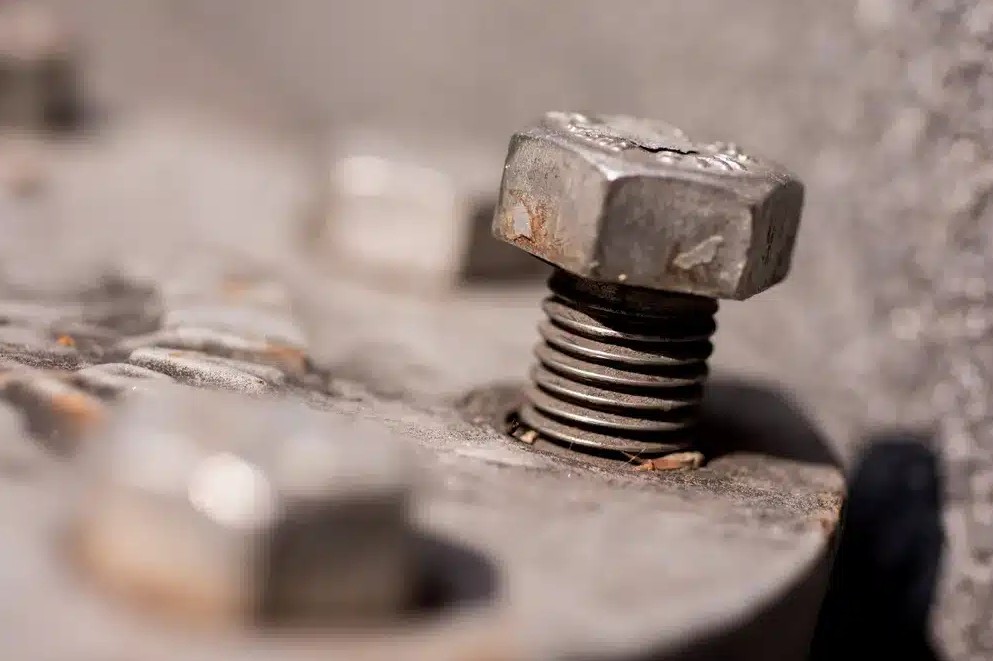
Fasteners help keep a roof in place, but problems often start before anything looks serious from the ground. A shingle may sit a little differently than it used to. Flashing may not lie as flat as it should. Water can begin slipping into a seam long before a stain shows up inside the house. At that point, roof repair eagle mountain may already be worth discussing, because the issue has moved beyond simple surface wear.
When fasteners start to loosen, the effect is rarely limited to one spot. Nearby shingles, flashing, and roof decking can begin to shift more easily as the roof is exposed to wind, rain, and changing temperatures. What first looks minor can turn into an area that no longer moves water off the roof properly.
Weather Stress
A roof expands and contracts as temperatures change, and that movement puts stress on the places where materials are secured. Over time, even a well-installed fastener can start to lose its hold as the surrounding material shifts repeatedly.
Wind can speed that process up. It does not have to rip roofing material off to cause damage. Repeated lifting at the edge of a shingle can create movement around the fastener underneath. As that happens repeatedly, the hole around the nail or screw can widen, leaving the connection less secure.
Rain and snow can make the situation worse. When moisture seeps into small gaps, and the roof remains wet for longer periods, the materials around fasteners may weaken. Wood can soften. Underlayment can deteriorate. Sealants can dry out or crack. Once that support changes, the fastener itself may begin to back out or lose grip.
Material Movement
Fasteners are affected by the roof’s movement around them. Shingles, flashing, vents, and the roof deck all shift over time as weather conditions change. When one section moves more than it should, the fasteners in that area must handle greater pressure.
This is often more noticeable on older roofs. As shingles wear down, they become stiffer and less able to flex with normal movement. That can put more stress on the points holding them in place and lead to lifted edges, a weaker connection, or small gaps through which water can get in.
The wood beneath the surface can change as well. When it absorbs moisture, it may swell, and as it dries, it can shrink again. After enough of that movement, nails and screws may not hold as tightly as they once did.
Installation Issues
Some fastener problems begin during installation. A nail that is placed too high or too low, or driven at an angle, may not secure the material as it should. It might seem fine at first, but it can loosen faster once the roof goes through normal weather changes.
Overdriven fasteners can also create problems. When excessive force is applied, the fastener may damage the material it is meant to secure. Instead of holding the roof in place cleanly, it creates a point of weakness. Underdriven fasteners create a different problem by leaving part of the head raised, which can interfere with the way materials lie and seal against each other.
The wrong fastener type is another issue. Roofing systems are built with specific materials and exposure conditions in mind. Using a fastener that is too short, too thin, or not suited to the application can shorten the life of the repair or installation. Even when the roof looks fine at first, attachment failure may show up earlier than expected.
Moisture Around Fasteners
Moisture around a fastener can cause trouble even when the opening seems minor. When that area stays wet over time, the metal can start to wear down. Rust may form, especially if the fastener coating breaks down or the material was not the right match for the roof. As that happens, the fastener can lose strength and stop holding as well as it should.
Water can also affect the material underneath. If the wood below the roof keeps getting damp, it may soften or weaken. When that happens, the fastener may still look normal on the outside, but no longer grip the surface as well.
That is why small changes are worth noticing. A shingle that looks slightly out of place, a faint stain, or flashing that no longer sits tight can all be signs that the problem has been developing for a while.
Why It Spreads
When fasteners start to loosen, the surrounding parts of the roof become more susceptible to damage. Water may stop draining the way it should. Wind can catch shingle edges more easily. Seals around nearby materials may not stay as tight. That does not always cause a leak right away, but it can be the start of a bigger repair.
This is one reason the problem is easy to dismiss at first. One loose fastener may not seem serious, yet it can allow nearby materials to shift and place additional strain on the surrounding sections. Over time, that stress can spread beyond the original spot and affect other seams or roof transitions. By the time damage shows up inside, the issue may involve more than that first attachment point.
That is why roof repair eagle mountain often involves more than replacing one exposed nail. The bigger concern is how a weakened fastener can affect how the surrounding section of the roof holds together and sheds water.
Conclusion
Fasteners loosen over time because roofs are always under stress. Heat, cold, wind, moisture, material aging, and installation errors all affect how firmly those attachment points hold. The process is usually gradual, which is why the first signs can be easy to dismiss. Still, a small shift in one area can lead to broader movement, weaker seams, and a higher chance of moisture getting below the surface.
A roof does not need obvious failure to have a fastening problem. Often, the better approach is to pay attention to subtle changes before they spread. When attachment points begin to fail, the roof starts to lose stability in ways that are not always immediately visible. Catching that early can make the difference between a targeted repair and a much larger one.