Where Do Hair Transplants Come From?
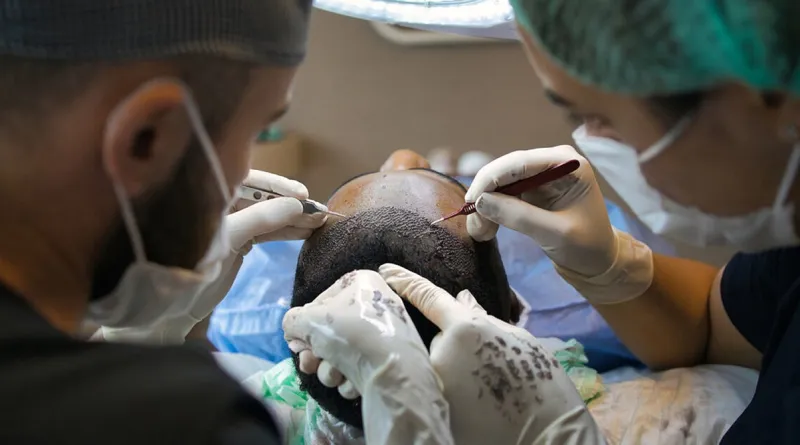
Hair transplants use your own hair follicles taken from areas of the scalp that are genetically resistant to hair loss, usually the back or sides of the head.
When people ask where do hair transplants come from, the answer is that surgeons relocate healthy follicles from these stable donor regions to thinning or bald areas.
The follicles are carefully harvested and implanted into tiny openings in the scalp so they can continue producing hair in their new location. Because the transplanted follicles keep their resistance to shedding, they typically grow hair permanently after the procedure. This redistribution of healthy follicles allows doctors to restore density and create natural looking hairlines.
Key Takeaways
- Hair transplants use follicles taken from donor areas of the scalp, usually the back and sides, where hair is genetically resistant to balding. These follicles maintain their growth characteristics even after being moved to thinning or bald areas.
- The hair transplant procedure involves harvesting individual follicular units and implanting them into carefully prepared recipient sites to restore density and create natural looking hairlines.
- Modern techniques such as follicular unit extraction (FUE) and follicular unit transplantation (FUT) allow surgeons to redistribute healthy follicles with precision while minimizing visible scarring.
- In cases where scalp donor supply is limited, surgeons may also use alternative sources such as beard hair or body hair to improve coverage and support overall hair restoration results.
Understanding the Source of Donor Hair
Many patients wonder where the hair from hair transplants come from, especially when they see dramatic before and after results.
The transplanted hair is usually taken from regions of the scalp that remain unaffected by androgenetic alopecia. These stable follicles retain their ability to grow even when moved to a different location.
The areas that supply these follicles are known as donor sites. They are typically located along the back and sides of the head, where hair tends to remain dense throughout life.
Because the follicles from these regions are genetically resistant to balding, they provide reliable grafts for transplantation.
These donor follicles can produce good hair that continues growing after the surgery. Once relocated, they integrate with surrounding follicles in the recipient area and gradually begin producing new strands.
Over time, the transplanted hair becomes indistinguishable from natural growth.
Why Certain Areas of the Scalp Are Used
Hair restoration relies on specific biological characteristics of the scalp. Surgeons select follicles from areas that remain stable despite the hormonal effects that trigger hair loss.
The most reliable donor regions include:
- The back of the head near the occipital bone
- The sides of the scalp above the ears
- Dense zones with healthy follicular density
These areas of the scalp maintain their resistance to DHT, the hormone linked to pattern baldness. This is why surgeons avoid taking grafts from thinning regions.
Understanding hair transplant where they take the hair from bald area questions often leads to this explanation. The transplanted follicles come from stable zones rather than the thinning sections themselves.
How the Hair Transplant Procedure Works
A typical hair transplant procedure involves removing healthy follicles from donor regions and implanting them into a thinning or bald area. Each follicle contains tiny structures capable of producing one or more strands.
The basic stages of the process include:
- Preparing the donor area and administering local anesthesia
- Harvesting follicles from the scalp
- Creating tiny openings in the recipient site
- Placing grafts into the thinning region
This method allows surgeons to redistribute hair rather than artificially create it. The transplanted follicles settle into the scalp and gradually begin producing new growth.
Patients often notice early shedding after surgery. This phase is temporary and usually precedes new hair growth that develops over several months.
Follicular Unit Extraction and Modern Techniques
Modern procedures rely heavily on follicular unit extraction FUE, a minimally invasive technique that removes individual follicular units from the scalp. Instead of removing a strip of skin, surgeons extract tiny grafts one at a time.
A typical FUE procedure follows several steps:
- Individual follicular units are identified under magnification
- Each unit is carefully removed with a small punch tool
- The grafts are preserved and prepared for implantation
- Surgeons place them strategically into the recipient area
Because this technique avoids large incisions, recovery is often faster and scarring is minimal. The placement of individual follicular units also allows physicians to design a natural hairline.
Another benefit of this method is its ability to treat large areas with precision. Surgeons can distribute grafts carefully to achieve balanced density and natural patterns.
Follicular Unit Transplantation FUT Explained
Before FUE became widely adopted, surgeons relied on follicular unit transplantation FUT to harvest grafts. This method involves removing a thin strip of scalp from the donor region.
After removal, the strip is divided into follicular unit transplants containing groups of individual hairs. These grafts are then implanted into the thinning region.
This method remains useful in certain situations. It may be recommended when patients need a high number of grafts in one session.
Common reasons doctors may use FUT include:
- Treating extensive hair loss
- Harvesting a large number of grafts quickly
- Preserving donor hair density for future sessions
Both FUT and FUE aim to create natural looking results, though the harvesting technique differs.
Alternative Donor Sources
Although scalp hair remains the most common donor source, some patients require alternative options. This can happen when scalp density is limited or previous procedures have already used many follicles.
In certain cases, surgeons may harvest beard hair as an additional source. Facial hair follicles can sometimes provide thicker strands that help increase density in specific areas.
Other potential sources include:
- Chest hair
- Neck hair
- Body hair in selected cases
These grafts are usually blended with scalp follicles to maintain consistency in appearance. The goal is always to create balanced coverage that looks natural.
What Happens After Hair Transplant Surgery
After hair transplant surgery, the transplanted follicles go through several stages before visible growth occurs. Initial shedding often happens within the first few weeks.
The typical recovery timeline includes:
- Weeks 1 – 2: Healing of donor and recipient areas
- Months 2 – 3: Temporary shedding of transplanted hair
- Months 4 – 6: Early regrowth begins
- Months 9 – 12: Noticeable density improvements
As follicles recover, the transplanted hair begins to grow gradually. The new strands behave like normal hair and can be cut, washed, and styled.
Many patients seeking treatment in specialized clinics consider options such as a Miami hair transplant clinic, where experienced surgeons use advanced techniques to improve density and hairline design.
Factors That Affect Hair Growth Results
Not every patient experiences identical results. Several variables influence how well transplanted follicles thrive after surgery.
Important factors include:
- Overall health of donor follicles
- Severity of androgenetic alopecia
- Surgical technique used
- Postoperative care
Proper placement within the recipient area is essential for natural density. Surgeons angle grafts carefully so the transplanted hair blends with surrounding strands.
Hair characteristics also play a role. Curl pattern, thickness, and color contrast can affect how full the final result appears.
Why Transplanted Hair Can Be Permanent
One reason hair restoration works so well lies in the biological behavior of donor follicles. Hair taken from stable scalp regions keeps its resistance to balding even after relocation.
This concept is known as donor dominance. Once moved to a new area, the follicle continues producing hair just as it did in its original location.
Because of this principle:
- Transplanted hair can last decades
- Growth cycles continue normally
- Results improve gradually over time
The transplanted follicles integrate with surrounding tissue and function like native hair.
Understanding where do hair plugs come from or how grafts are sourced helps explain why modern transplants achieve long lasting outcomes.
Long Term Outlook After Hair Restoration
Patients considering a transplant often focus on density, but long term planning is just as important. Surgeons design procedures that preserve donor supply while restoring visible coverage.
The goal of a well planned hair transplant where the hair comes from approach is to create balanced growth that ages naturally. Doctors distribute grafts strategically so additional treatments remain possible if hair loss progresses.
With modern techniques and careful planning, transplanted follicles can produce stable growth for many years. The result is hair that grows, sheds, and regenerates just like the rest of the scalp, helping restore both appearance and confidence.